mass shootings & officer deaths.

Mass Shootings & Officer casualties: Domestic Violence at the Center
Mass shootings and police line-of-duty deaths can look random and unpredictable. But the data tells a different story: domestic violence is often the warning sign we ignore.
Domestic Violence and Mass Shootings
Researchers Geller, L., and Botty, M. (2021) found that there is a statistically significant correlation between domestic violence and mass shootings:
Current or former intimate partners or other family members are victims in more than half of all mass shootings—and nearly a third of mass shooters have a history of domestic violence.
According to the research, 59.1% of mass shootings between 2014 and 2019 were related to domestic violence and in 68.2% of mass shootings, the perpetrator either killed at least one partner or family member or had a history of domestic violence.
When a history of domestic violence is present, perpetrators are more likely to have a pattern of escalating threats, stalking, and prior abuse: behaviors that could have triggered firearm restrictions if strong laws were in place.
States that restrict firearm access for domestic violence offenders, and require them to surrender their guns, see fewer mass shooting incidents and fewer fatalities when mass shootings do occur.
Georgia’s failure to fully align state law with federal domestic violence firearm protections doesn’t just endanger individual families. It also increases the risk of high-casualty events that devastate entire communities.
When guns stay in the hands of known abusers, we are not just risking one life. We are risking many.

Domestic Violence and Police Line-of-Duty Deaths
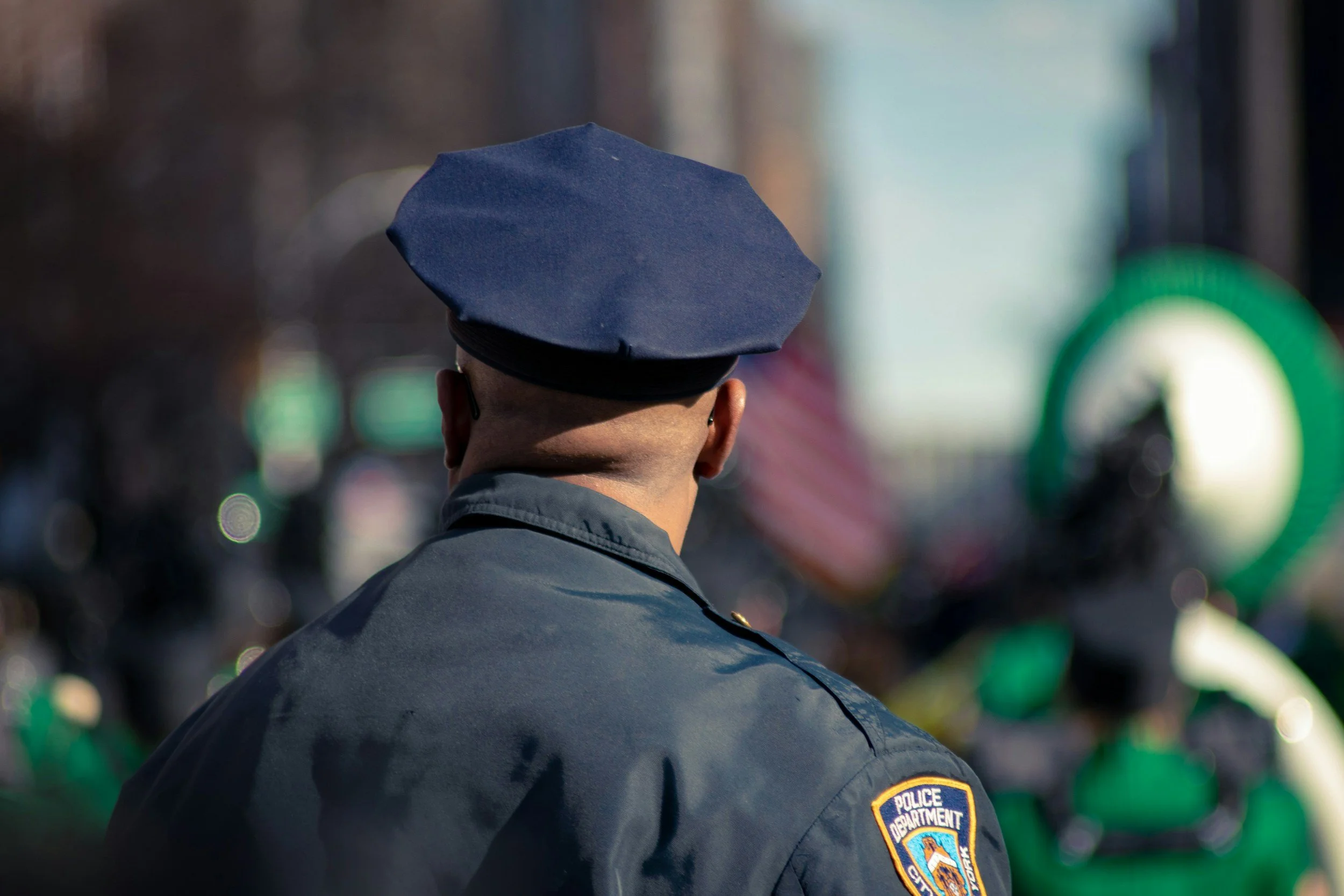
Domestic violence calls are among the most dangerous situations officers respond to, and firearms make these calls even more lethal:
A 2018 Department of Justice study of law enforcement line of duty fatalities confirmed that domestic violence incidents represented the highest number of fatal types of calls for service, accounting for 29% of deaths which occurred in the line of duty. During the period between 2010–2016 the study researchers found that 100% of those line-of-duty deaths were by firearm. (Bruel, N., Desiree, L., 2017).
Law enforcement in Georgia report that when they respond to domestic violence incidents and know a firearm is present, but state law does not clearly prohibit the abuser from possessing that gun, their ability to protect victims, and themselves, is severely limited.
Out of the four GA law enforcement officers killed in 2025 in the line of duty, three out of the four officers were killed by firearms (Officer Down Memorial, 2025).
In 2023, the GA Commission on Family Violence published a report on GA’s response to firearms and domestic violence. They gathered stakeholders together from rural, suburban and urban areas from the courts, sheriff’s office, family violence intervention programs, community supervision and victim services. They found that:
100% of participants agreed that keeping guns out of the hands of abusers will protect first responders..
92% of participants said the impact of the gap between state and federal law
hurts their ability to protect victims..
98% of participants agreed that keeping guns out of the hands of abusers will
protect the public.
When Georgia fails to use every legal tool available to restrict firearm access for domestic violence offenders, officers are sent into danger with their hands tied.
Why Closing the Gap Matters
Strong domestic violence firearm laws do double duty:
Prevent lethal escalation at home: reducing domestic homicides, murder-suicides, and child exposure to gun violence.
Reduce the risk of mass casualties: by intervening earlier with people who have already demonstrated they are willing to threaten, stalk, or injure those closest to them.
Protect law enforcement: by ensuring that when officers respond to volatile domestic calls, the most dangerous individuals are less likely to have legal access to guns.
Aligning Georgia’s laws with federal protections is not just a domestic violence issue. It’s a mass shooting prevention issue. It’s a law-enforcement officer safety issue.
When we disarm known abusers, we’re not just saving the lives of survivors. We’re helping prevent the next headline-grabbing tragedy and the next funeral for a fallen officer.
Data & Research Sources:
Georgia Commission on Family Violence (GCFV); BioMed Central; GCFV Family Violence Fatality Review Project; RAND Corporation+1; GCFV open records requests (2025); Johns Hopkins Bloomberg School of Public Health (gun death rates and economic costs); Futures Without Violence (domestic violence and firearm impacts on families); University of Michigan Institute for Firearm Injury Prevention (effects of domestic violence firearm restrictions, mass shooting risk); U.S. Department of Justice and COPS Office (law enforcement fatalities and domestic disturbance calls); peer-reviewed research from Columbia University and other academic institutions on domestic violence, firearms, mass shootings, and officer safety.